🌿 Karanjin: Source, Benefits, Applications and Safety Profile (2024 Updated Guide)
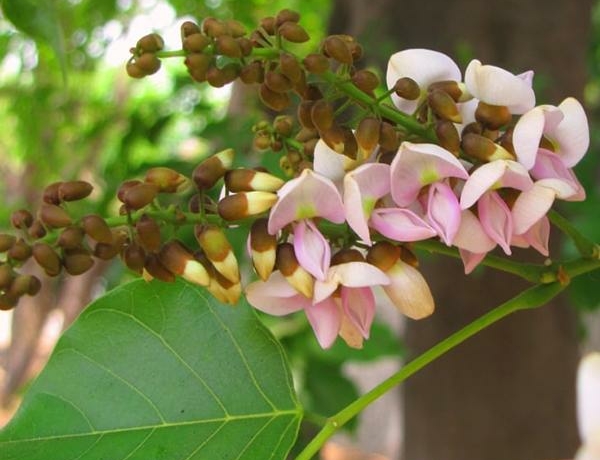
Karanjin is a naturally occurring furanoflavonol extracted from the seeds of Pongamia pinnata (commonly known as Karanja or Indian Beech). Due to its strong biological activity and plant-based origin, Karanjin has become widely used in agriculture, botanical pesticides, horticulture, and natural pest-control formulations.
This article provides a clear, research-supported overview of Karanjin’s properties, applications, extraction methods, and safety considerations for product developers, manufacturers, and agricultural suppliers.
1. What Is Karanjin?
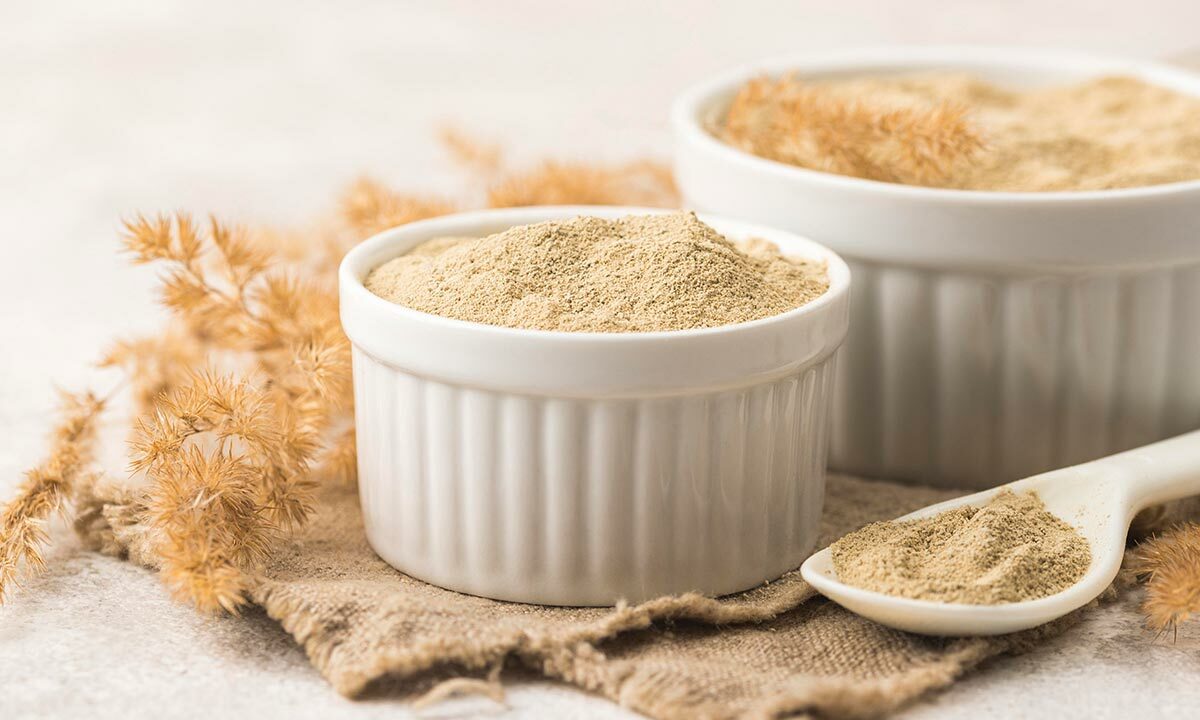
Karanjin is a bioactive flavonoid found primarily in Karanja seeds and Karanja oil. It presents as a pale yellow to off-white powder and is valued for its multifunctional pesticidal, antioxidant, and anti-inflammatory effects.
Key characteristics include:
Chemical class: Furanoflavonol
Plant source: Pongamia pinnata seeds
Solubility: Soluble in organic solvents, low solubility in water
Common purity: 50% (agricultural grade) or 98% (high-purity grade)
Karanjin occurs naturally alongside Pongamol in Karanja oil and is one of the primary contributors to its pesticidal activity.
2. Science-Backed Benefits of Karanjin
2.1 Insecticidal Activity
Karanjin is well-studied for its ability to disrupt insect feeding and growth cycles. Research shows that it acts as:
Antifeedant – reduces feeding behaviour in a wide range of pests
Growth inhibitor – interferes with larval development and molting
Contact pesticide – effective against soft-bodied pests
Common target pests include:
Aphids
Caterpillars
Whiteflies
Beetles
Storage pests
Leaf-eating insects
Because it comes from a natural botanical source, Karanjin is popular in eco-friendly and organic agricultural systems.
2.2 Miticidal & Acaricidal Effects
Karanjin shows strong efficacy against mites such as:
Red spider mites
Dust mites
Plant mites
This makes it widely used in:
Greenhouse production
Fruit orchards
Horticultural spraying programs
Botanical pesticide blends
It is commonly combined with Neem extracts to enhance its overall efficacy.
2.3 Antioxidant & Anti-Inflammatory Properties
Laboratory studies have shown that Karanjin:
Reduces oxidative stress
Exhibits anti-inflammatory activity
Supports traditional Ayurvedic uses of Pongamia pinnata
While these properties are scientifically documented, Karanjin is not used in dietary or ingestible applications.
2.4 Larvicidal and Mosquito Control Activity
Karanjin demonstrates larvicidal effects against various mosquito species, making it a useful component in:
Public health mosquito-control programs
Natural insect-repellent sprays
Water-safe pest management solutions
3. Industrial and Commercial Applications
3.1 Agriculture and Botanical Pesticides
Karanjin is mainly used as a plant-based pest control ingredient for:
Field crops
Vegetables and fruits
Greenhouse crops
Seed treatments
Soil-health products
Its biodegradability makes it suitable for Integrated Pest Management (IPM).
3.2 Horticulture and Home & Garden Products
Applications include:
Miticide sprays
All-purpose plant insect sprays
Eco-friendly garden pesticide formulations
3.3 Veterinary and Pet Care Products
Due to its acaricidal effects, Karanjin is used in:
Tick and mite control formulations
Livestock skin treatments
Natural pest-repellent sprays for animals
3.4 Industrial Uses
Beyond agriculture, Karanjin is also used in:
Timber preservation
Bio-lubricants and coatings
Eco-friendly solvent systems
Natural polymer modification
4. Extraction, Quality, and Specifications
Common Extraction Methods
Solvent extraction
Ethanol extraction
Supercritical CO₂ extraction (high-purity and solvent-free)
Typical Specifications
Appearance: Pale yellow powder
Purity: 50% / 98%
Analytical method: HPLC
Packaging: 1 kg, 5 kg, or 25 kg drums
Quality Documentation Available
COA
HPLC chromatogram
MSDS
Pesticide and residual solvent screening
(Documentation availability varies by batch and manufacturer requirements.)
5. Safety Profile and Usage Notes
Karanjin is considered safe for agricultural and external applications when used as directed. It is not intended for ingestion.
Safety notes:
Handle with gloves
Avoid direct eye contact
Follow agricultural concentration guidelines
Store in a cool, dry place away from direct sunlight
Karanjin is significantly less toxic to humans and the environment compared to many synthetic pesticides, making it a preferred component in natural pest-control solutions.
6. Why Karanjin Is Increasingly Popular
Plant-derived and biodegradable
Effective on pesticide-resistant pests
Compatible with organic certifications
Cost-effective for large-scale farming
Sustainable and renewable source
As global regulations move toward safer and greener agricultural inputs, Karanjin continues to gain attention from formulators and manufacturers.
7. Looking for Karanjin in New Zealand?
SG Bio supplies high-quality Karanjin suitable for agricultural, horticultural, and industrial applications.
We offer:
Consistent, verified quality
COA and documentation support
Fast delivery within New Zealand
Technical assistance for formulation
For pricing, samples, or technical specifications, please contact our team.